The Complete Guide to Custom Paper Food Bags
The transition from plastic to paper in the food and beverage industry is more than just a regulatory compliance issue; it is a branding evolution. As consumers become more environmentally conscious and hygiene-focused, the demand for high-quality Custom Paper Food Bags has skyrocketed. For restaurants, delis, and grocery retailers, the humble paper bag has transformed into a critical asset for marketing, food safety, and customer satisfaction.
Why Custom Food Packaging Matters
In the age of third-party delivery apps and grab-and-go culture, the physical interaction between your staff and the customer is often limited. Your packaging is the service. It is the first thing the customer sees when their doorbell rings or when they pick up an order.
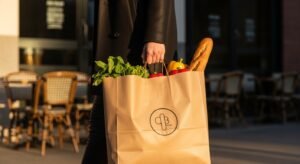
1. Brand Visibility and Mobile Advertising A generic bag is invisible. A custom printed paper bag is a walking billboard. When a customer walks down a busy street carrying a bag emblazoned with your logo, they are endorsing your brand to hundreds of passersby. This “street-level” advertising builds local recognition and authority. High-quality branding with witty copy or aesthetic designs encourages social media sharing, generating organic reach that money can’t buy.
2. The Unboxing Experience The anticipation of a meal is part of the enjoyment. Opening a sturdy, well-designed bag that presents the food neatly adds to the perceived value of the meal. Conversely, a soggy, ripping bag that leaks grease suggests low quality, regardless of how good the food tastes. Investing in premium packaging protects your culinary reputation.
Material Science: Balancing Strength and Breathability
Paper food bags are sophisticated engineering products. They must balance the need to contain grease with the need to let steam escape.
Grease-Proof Technology: Standard paper absorbs oil instantly. For items like pastries, fries, or burgers, this is a disaster. We utilize Grease-Resistant (GR) coatings or glassine inner layers. These barriers prevent oil penetration, ensuring the customer’s hands and clothes remain clean. Unlike plastic, which traps moisture and makes fried food soggy, treated paper allows for a specific transmission rate of water vapor, keeping crispy foods crisp.
Tensile Strength and GSM: The thickness of the paper is measured in GSM (Grams per Square Meter).
-
Low GSM (30-50): Ideal for lightweight items like cookies or bread sleeves.
-
Medium GSM (60-80): Standard for takeout sacks.
-
High GSM (90+): Required for luxury shopping bags or heavy catering orders. Choosing the right weight is crucial to prevent bottom-outs (where the bottom falls out) while optimizing cost.
Types of Paper Food Bags
Understanding the structural differences is key to ordering the right packaging for your menu.
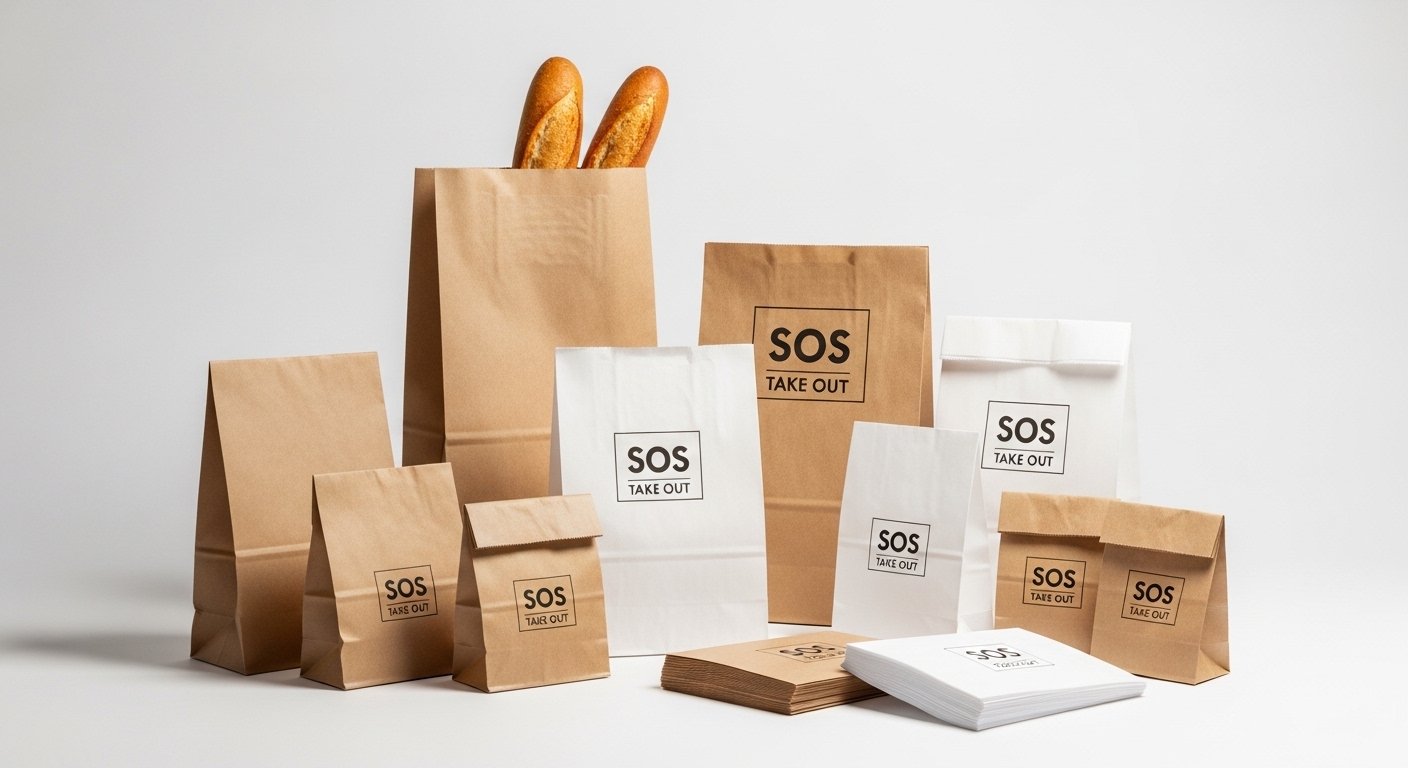
1. SOS (Self-Opening Sack) Bags: These are the block-bottom bags familiar to anyone who has visited a grocery store or fast-food chain. The rectangular base allows the bag to stand upright on a counter, making it easy for staff to load quickly. They are the workhorse of the takeout industry.
2. Pinch Bottom Bags: These bags have a sealed bottom that is folded over. They do not stand up on their own. They are best suited for flat items like sandwiches, pastries, or cutlery kits. They are generally more cost-effective than SOS bags.
3. Window Bags: Bakery sales are driven by visual appeal. Window bags feature a clear panel (often made from PLA, a corn-based plastic substitute) that reveals the product inside. These are essential for artisan loaves, colorful donuts, or granola, as they combine the protection of a bag with the visibility of a display case.
4. Handle Bags: For larger orders or retail environments, handles are a necessity.
-
Twisted Paper Handles: Durable and rigid, giving a high-end retail look.
-
Flat Tape Handles: More economical and comfortable for carrying lighter loads.
-
Die-Cut Handles: A sleek, modern look where the handle is cut directly into the bag reinforced with a patch.
Sustainability and Eco-Impact
The “Ban the Bag” movement regarding single-use plastics is active globally. Paper bags are the sustainable champion of the food industry.
Biodegradability and Compostability: Paper is a natural wood fiber product. Unlike plastic which persists for centuries, uncoated paper bags break down in a composting environment in a matter of weeks. Even our grease-resistant bags are often designed to be industrially compostable, aligning with zero-waste initiatives.
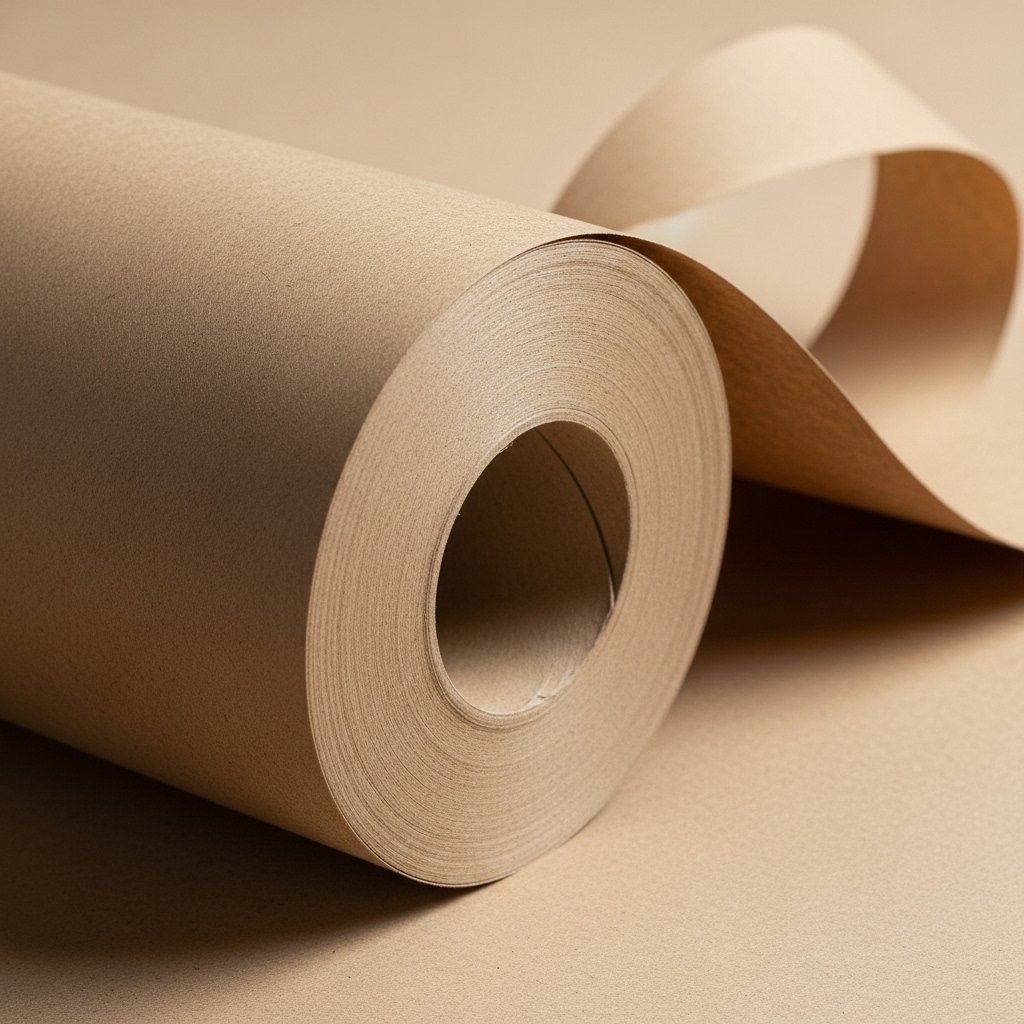
Recycled Content: We offer Kraft paper bags made from high percentages of post-consumer recycled (PCR) content. Using PCR material reduces the strain on virgin forests and lowers the carbon footprint of your packaging supply chain. Communicating this to your customers (e.g., printing “Made from 100% Recycled Paper” on the bottom) builds trust and brand loyalty.
Retail and eCommerce Packaging Trends
1. Minimalist Branding: The current design trend favors “clean” aesthetics. Simple typography on natural brown Kraft paper conveys an organic, farm-to-table vibe that is very popular in the health food and cafe sectors.
2. Interactive Elements: Modern packaging bridges the gap to digital. QR codes printed on bags can link to:
3. Tamper-Evident Designs: With the rise of delivery services (UberEats, DoorDash), safety is paramount. We can design bags that work seamlessly with tamper-evident stickers or feature adhesive strip closures. This assures the customer that their food has not been touched since it left your kitchen.
Wholesale and Bulk Advantages
For purchasing managers, the economics of packaging are as important as the aesthetics.
Storage Efficiency: Paper bags are incredibly space-efficient. They ship flat and are bundled tightly. You can store thousands of paper bags in the same footprint that would hold only a few hundred rigid plastic or foam containers. This is vital for city restaurants where square footage is at a premium.
Cost-Per-Unit Scaling: Ordering wholesale custom paper food bags creates massive savings. The setup costs for flexographic printing plates are a one-time expense. Once set up, the cost to run 10,000 bags is marginally more than running 1,000, causing the price per unit to drop precipitously. Planning your inventory to order in bulk (quarterly rather than weekly) is the single best way to reduce your packaging spend.
Conclusion
Your food deserves packaging that protects its flavor, presents it beautifully, and respects the environment. Custom Paper Food Bags are the versatile, sustainable, and brand-building solution that modern food businesses need.
Whether you need a grease-proof pouch for a donut or a heavy-duty tote for a family meal, Versatile Custom Boxes has the engineering expertise and design capabilities to deliver.
Ready to upgrade your takeout presentation? Contact our sales team today at sales@versatilecustomboxes.com.